Dry-Aged Meat has become increasingly popular among health-conscious consumers and premium meat enthusiasts alike. With growing interest in nutrition, flavor, and culinary quality, many ask, “Is Dry-Aged Meat healthy?” The answer is nuanced, depending on the cut, aging process, and consumption habits. Understanding the nutritional benefits, the science behind aging, and safe handling practices is essential for anyone seeking high-quality protein while maintaining a health-focused diet.
For buyers seeking nutrition premium meats and lean cuts in Ontario, Dry-Aged Meat offers a sophisticated option that balances taste, texture, and nutrient density. This guide dives deep into the process, health benefits, culinary advantages, and practical tips for enjoying Dry-Aged Meat responsibly.
What Is Dry-Aged Meat?
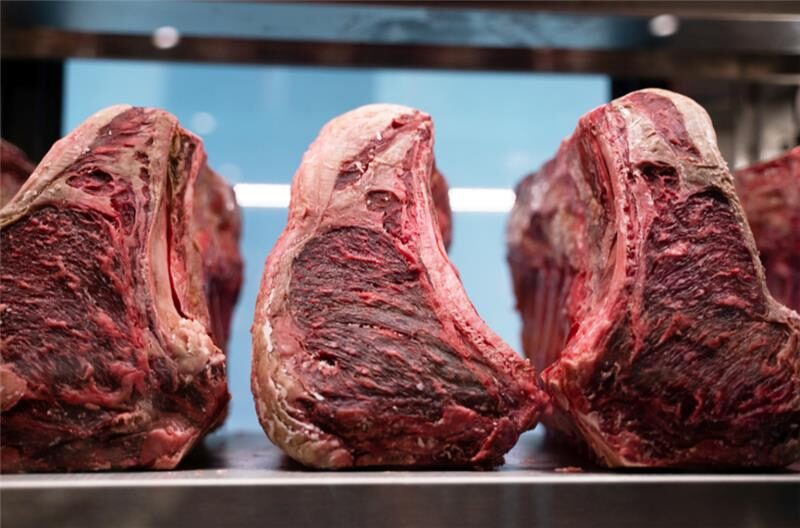
Dry-Aged Meat refers to meat stored under controlled temperature, humidity, and airflow for a period ranging from 14 days to several months. During this process, natural enzymes break down connective tissues and muscle fibers, resulting in a more tender texture and richer flavor.
Unlike wet-aged meat, which is sealed in vacuum packaging, Dry-Aged Meat is exposed to air. This exposure leads to moisture loss, which concentrates the meat’s natural flavors while preserving key nutrients like protein, iron, and B vitamins. The controlled aging process transforms a standard cut into a premium product prized by chefs and food enthusiasts.
Moisture loss during dry-aging does not significantly reduce the protein content. In fact, per gram, the protein concentration may slightly increase. Additionally, the enzymatic breakdown improves digestibility, making the nutrients easier for the body to absorb.
Nutritional Profile of Dry-Aged Meat
Is Dry-Aged Meat healthy? Yes. It provides high-quality protein and essential nutrients needed for a balanced diet. Lean cuts contain moderate fat, making them suitable for individuals monitoring cholesterol intake.
Dry-Aged Meat is particularly rich in minerals like iron and zinc, which support immune function and oxygen transport. B vitamins, including B12, are abundant in premium meats, promoting energy metabolism and neurological health. The aging process does not significantly reduce these nutrients, meaning Dry-Aged Meat remains a highly nutritious choice.
Compared to processed meats, Dry-Aged Meat contains no additives, preservatives, or artificial flavoring. This natural, clean approach aligns with the goals of health-conscious consumers seeking both flavor and nutritional value.
Benefits of Aging Meat
The dry-aging process offers several advantages beyond taste.
- Enhanced Digestibility: Enzymes naturally present in meat break down proteins and connective tissue, making it easier to digest and absorb nutrients.
- Flavor Concentration: Moisture loss intensifies the meat’s natural flavor without relying on added salts or sauces, allowing a healthier approach to seasoning.
- Tender Texture: Aging softens tough cuts, resulting in more enjoyable chewing and digestion, which is particularly helpful for older adults or those with sensitive digestive systems.
- Culinary Versatility: Dry-Aged Meat offers a rich flavor profile, making it suitable for both simple cooking methods and gourmet recipes, reducing the need for heavy sauces or fats that add calories.
Lean Cuts and Health Considerations
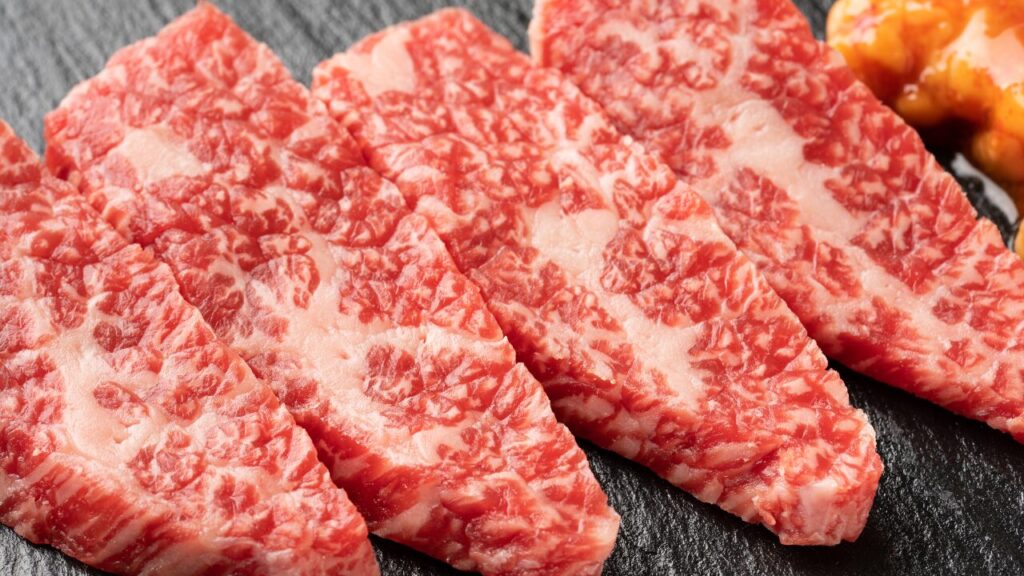
Choosing the right cut of Dry-Aged Meat is essential for maintaining health benefits. Lean cuts, such as sirloin, tenderloin, and striploin, offer high protein levels with moderate fat content. These cuts provide essential nutrients while minimizing saturated fat intake, making them suitable for health-conscious butchery selections.
Moderation is key. While Dry-Aged Meat is nutrient-dense, excessive consumption of red meat may pose cardiovascular risks if paired with a diet high in saturated fats and low in fiber. Combining lean Dry-Aged Meat with vegetables, whole grains, and plant-based proteins ensures balanced nutrition and supports heart health.
Food Safety in Dry-Aged Meat
Proper handling and storage are crucial to ensure that Dry-Aged Meat remains safe for consumption. The aging process requires precise refrigeration, humidity control, and airflow management to prevent spoilage.
Purchasing from reputable butchers ensures adherence to food safety standards. Health-conscious consumers should verify that the meat has been aged under hygienic conditions. Cooking Dry-Aged Meat to recommended temperatures further reduces the risk of bacterial contamination without compromising its nutrient profile.
Food safety is especially important when serving vulnerable populations, such as children, pregnant individuals, or those with weakened immune systems. By sourcing responsibly and following proper cooking practices, Dry-Aged Meat can be safely enjoyed while providing maximum nutritional benefits.
Health Benefits of Premium Meats
Premium Dry-Aged Meats offer several advantages for health-focused consumers:
- Bioavailable Protein: Provides essential amino acids for muscle repair, growth, and overall health.
- Rich in Micronutrients: Iron, zinc, and B vitamins are vital for energy, cognitive function, and immunity.
- No Additives: Premium meats are free from preservatives, artificial flavors, and unnecessary sodium.
- Enhanced Flavor Naturally: The aging process intensifies taste, reducing the need for calorie-dense sauces or seasonings.
For buyers in Ontario seeking nutrition premium meats, Dry-Aged Meat offers a combination of taste, quality, and health-conscious benefits. Selecting premium meats aligns with modern clean-eating practices and supports overall wellness.
Culinary Enjoyment Meets Health
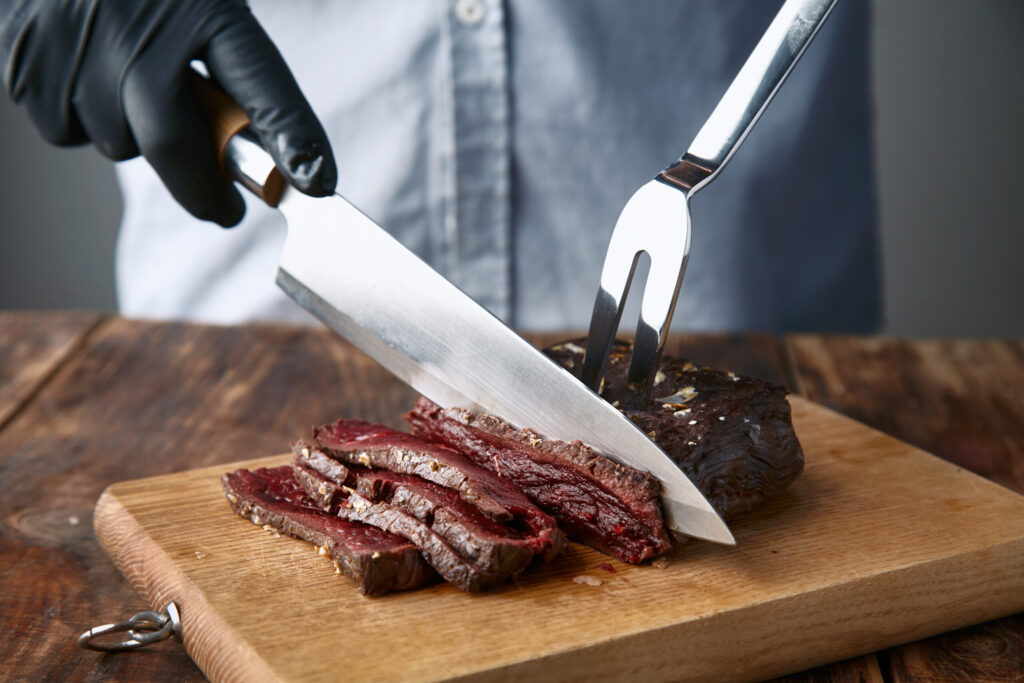
One of the standout features of Dry-Aged Meat is the balance of culinary pleasure and health. Aging enhances flavor and tenderness, allowing chefs and home cooks to prepare meals with minimal added fat or sodium.
By focusing on lean cuts and moderate portions, Dry-Aged Meat can be a central part of a balanced diet. Pairing it with vegetables, whole grains, and healthy fats ensures meals are nutrient-rich and heart-healthy. For health-focused buyers, this approach provides both indulgence and nutrition.
Dry-Aged Meat also promotes mindful eating. Its intense flavor encourages slower consumption and appreciation of quality, reducing overeating compared to less flavorful meats.
Sourcing Tips for Health-Conscious Buyers
Selecting high-quality Dry-Aged Meat starts with sourcing. Look for local butchers or trusted suppliers that specialize in health-conscious butchery. Key considerations include:
- Age and Quality: Ensure meat has been properly aged under controlled conditions.
- Cut Selection: Choose lean cuts for maximum health benefits.
- Traceability: Reputable suppliers often provide information about the meat’s origin, raising standards of transparency and trust.
- Clean Handling: Hygienic practices during butchery and storage are critical for safety and nutrient preservation.
Locally sourced, premium Dry-Aged Meat provides superior taste and aligns with sustainable, responsible consumption practices.
Balancing Portion and Frequency
While Dry-Aged Meat is nutritious, moderation remains essential. Consuming smaller portions alongside fiber-rich vegetables, whole grains, and plant-based proteins helps maintain heart health and supports overall wellness.
A typical serving of 100–150 grams per meal provides sufficient protein and nutrients without excessive saturated fat. Integrating Dry-Aged Meat into a varied diet maximizes health benefits while maintaining culinary enjoyment.
Final Thoughts
Is Dry-Aged Meat healthy? Absolutely. When sourced responsibly, handled properly, and consumed in moderation, Dry-Aged Meat offers nutrient-dense protein, improved digestibility, and exceptional flavor.
For health-focused buyers seeking nutrition, premium meats, lean cuts in Ontario, and the benefits of aging meat, Dry-Aged Meat provides a unique combination of taste, quality, and wellness. Proper sourcing, food safety practices, and balanced consumption ensure this premium protein enhances both culinary enjoyment and overall health. Explore more at Heritage Butchery.
Frequently Asked Questions
Is Dry-Aged Meat healthier than fresh meat?
Yes, Dry-Aged Meat offers improved digestibility, concentrated flavor, and nutrient retention compared to fresh meat.
Does dry-aging increase protein content?
Moisture loss slightly increases protein concentration per gram, making Dry-Aged Meat more nutrient-dense.
Which cuts are best for health-conscious consumers?
Lean cuts like sirloin, tenderloin, and striploin provide high protein with moderate fat content.
How do I ensure Dry-Aged Meat is safe?
Purchase from reputable butchers and cook to recommended temperatures to reduce bacterial risk.
Can Dry-Aged Meat be part of a heart-healthy diet?
Yes, when eaten in moderation alongside vegetables, whole grains, and plant-based proteins.