Dry-aged beef is widely regarded as the peak of steak quality. From the first stage of the beef aging process, careful control of time and environment transforms ordinary beef into something deeply flavorful and tender. Dry-aged beef is not about shortcuts or trends. It is about patience, technique, and understanding how meat naturally evolves.
As a professional butcher, I often explain that dry aging is equal parts science and craft. When done correctly, it produces premium beef cuts with unmatched depth of flavor. This guide explores how dry-aged beef works, why it tastes better, how to handle it safely, and how to enjoy it at its best.
Understanding Dry-Aged Beef and the Beef Aging Process
What Dry-Aged Beef Really Is
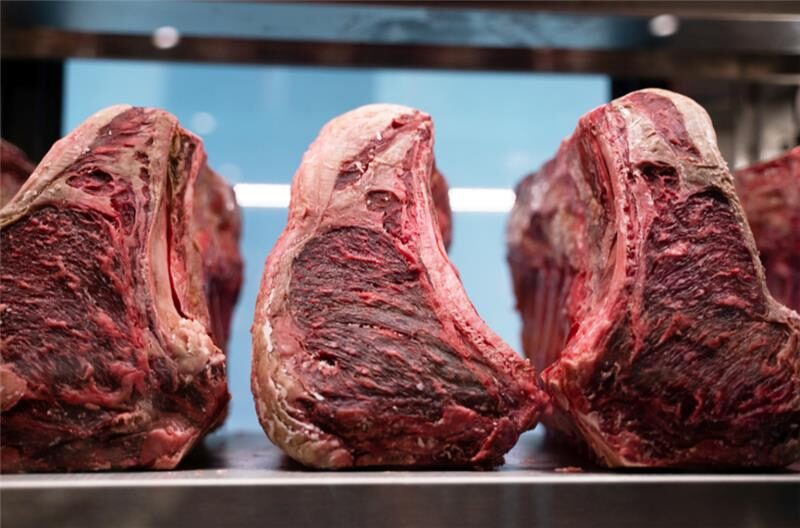
Dry-aged beef is beef that has been stored in open air under controlled refrigeration for an extended period. Unlike wet-aged beef, which is sealed in plastic, dry-aged beef is exposed to air. This exposure allows moisture to slowly evaporate while natural enzymes work within the meat.
As moisture leaves the beef, flavor becomes more concentrated. At the same time, enzymes break down muscle fibers, improving tenderness. The outer surface of the beef hardens and darkens during aging, forming a protective layer that is later trimmed away.
How the Beef Aging Process Works
The beef aging process begins immediately after slaughter. Muscle fibers tighten at first, then gradually relax as enzymes break down connective tissue. This process is essential for tenderness.
In dry-aged beef, environmental control is critical. Temperature is kept just above freezing to slow bacterial growth. Humidity must be carefully balanced to prevent spoilage while allowing moisture loss. Proper airflow prevents surface moisture from accumulating and supports safe meat preservation.
When these conditions are maintained, beef ages safely and develops the deep, complex flavor associated with dry-aged beef.
Why Dry-Aged Beef Tastes Different
The distinctive flavor of dry-aged beef comes from two main factors. First, moisture loss intensifies the natural taste of beef. Second, fat oxidation creates subtle nutty and buttery notes that add complexity.
This combination produces a flavor profile that cannot be replicated through seasoning or cooking technique alone. Dry-aged beef delivers richness without heaviness, making it highly valued by chefs and steak lovers alike.
Choosing, Aging, and Preserving Beef Safely
Selecting Premium Beef Cuts for Dry Aging
Not all beef is suitable for dry aging. Large primal cuts with strong muscle structure and good fat coverage perform best. Ribeye, strip loin, and short loin are among the most popular premium beef cuts used for dry aging.
Fat plays an important role during aging. It protects the meat from excessive drying and contributes to flavor development. Lean cuts or small portions do not age well and often result in poor texture and taste.
High-quality sourcing is essential. Beef intended for dry aging should come from reputable producers who follow strict handling and storage standards.
Dry Aging at Home Versus Professional Aging
Dry aging at home is possible, but it requires discipline and proper equipment. The most important rule is to never dry age individual steaks. Only whole primal cuts should be used to ensure safety.
A dedicated refrigerator is necessary to maintain stable temperature and prevent cross-contamination. Many home cooks use dry-aging bags that allow moisture to escape while limiting exposure to bacteria. While helpful, these tools do not replace the need for careful monitoring.
Professional butcher shops offer a safer and more consistent alternative. Controlled aging rooms and daily inspections ensure optimal results and reliable meat preservation.
Food Safety and Meat Preservation
Safety is the foundation of dry-aged beef. When aging is done correctly, the beef remains safe and wholesome. When done incorrectly, it can spoil quickly.
Dry-aged beef should have a clean, slightly nutty aroma. Strong sour smells, slimy textures, or unusual colors are signs of spoilage. When in doubt, the beef should be discarded.
Professional butchers follow strict sanitation practices to minimize risk. This is why many consumers prefer to buy dry-aged beef rather than attempt the process themselves.
Cooking, Flavor, and Enjoying Dry-Aged Beef
Cooking Dry-Aged Beef Properly
Dry-aged beef contains less moisture than fresh beef, which means it cooks faster. High heat works well, but careful attention is required to avoid overcooking.
Simple seasoning allows the beef’s natural flavor to shine. Salt enhances taste without masking it. Letting the beef rest after cooking is essential, as it allows juices to redistribute throughout the meat.
Medium-rare is often the preferred doneness for dry-aged beef, as it balances tenderness and flavor.
Beef Flavor Tips from a Professional Butcher
Dry-aged beef rewards simplicity. Heavy marinades and sauces overwhelm its natural complexity. Instead, focus on proper cooking technique and quality ingredients.
Sharp knives are important when slicing dry-aged beef. Its firmer texture benefits from clean cuts that preserve structure and presentation. Serving the beef warm ensures the aroma and flavor are fully expressed.
Sustainability and Responsible Enjoyment
Dry-aged beef encourages thoughtful consumption. Because the flavor is intense and satisfying, smaller portions go further. This approach aligns with sustainable eating habits and reduces waste.
Supporting local butcher shops also contributes to sustainability. Local sourcing reduces transportation impact and promotes transparency in meat production.
Sustainability and Responsible Consumption
Aging encourages a mindset of quality over quantity. Because premium aged beef is rich and filling, smaller portions satisfy more. This approach aligns with sustainable eating habits and helps reduce unnecessary waste.
Supporting local butcher shops also contributes to sustainability. Local sourcing not only reduces transportation impact but also ensures greater transparency in meat production, so you know exactly where your premium cuts come from.
Where to Find Quality Dry-Aged Beef
Purchasing dry-aged beef from a reputable butcher ensures proper handling, expert aging, and consistent quality. At Heritage Butchery, dry-aged beef is treated as a craft, not a shortcut. Each cut is aged with precision and care to deliver exceptional results.
You can learn more about our approach and explore our premium beef cuts at heritagebutchery.ca. For additional information on meat safety and aging standards, authoritative resources such as the USDA provide valuable insight.
Final Thoughts
Dry-aged beef represents craftsmanship, patience, and respect for tradition. From the controlled environment of the aging room to the final moment on the plate, every step matters. Understanding how heritage-aged beef works deepens appreciation for both the flavor and the process.
Whether you are a home cook exploring new techniques or a food enthusiast seeking premium beef cuts, aged beef offers an experience unlike any other. When handled with care and expertise, it delivers tenderness, depth, and character that truly stand apart.
Frequently Asked Questions
What is dry-aged beef?
Dry-aged beef is beef aged in controlled air conditions to enhance tenderness, concentrate flavor, and improve overall eating quality.
How long should beef be dry aged?
Most dry-aged beef is aged between 21 and 45 days to achieve balanced tenderness and rich, developed flavor.
Is dry-aged beef safe to eat?
Yes, dry-aged beef is safe when temperature, humidity, and airflow are carefully controlled throughout the aging process.
Can dry aging be done at home?
Dry aging at home is possible using whole cuts, proper refrigeration, and strict hygiene practices to prevent spoilage.
Why is dry-aged beef more expensive?
Dry-aged beef costs more due to moisture loss, trimming waste, extended aging time, and skilled handling by professionals.